SCIENCE
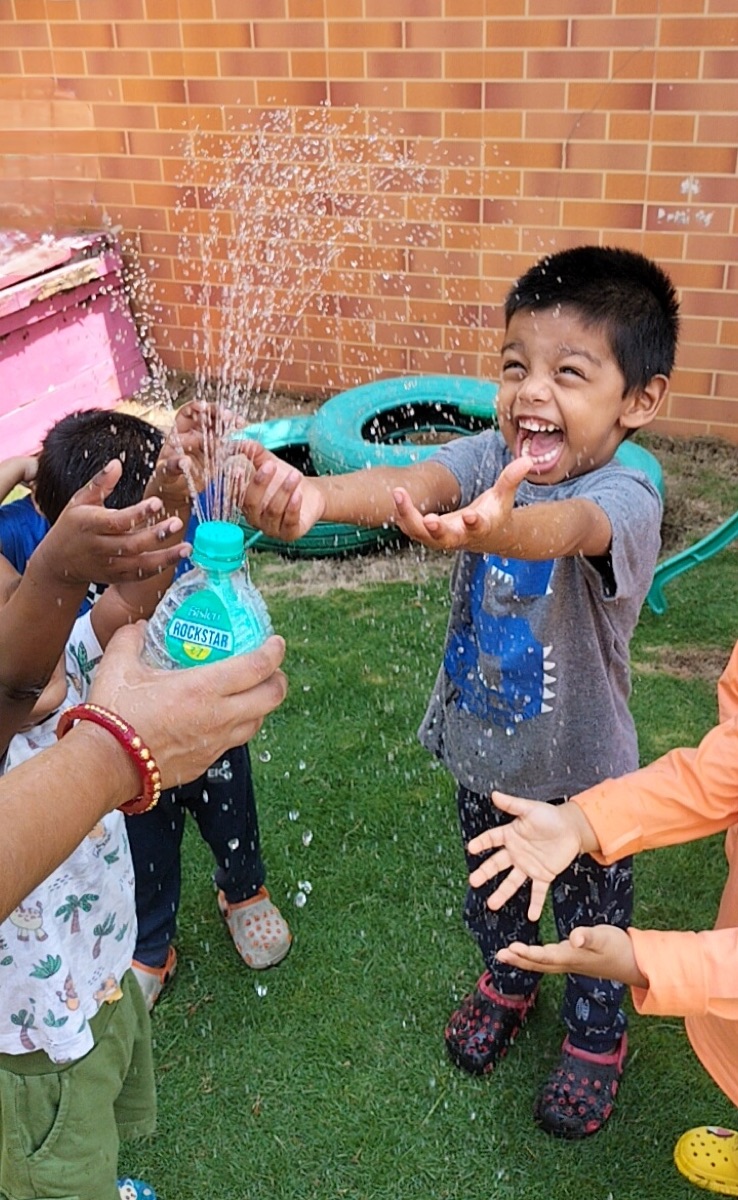
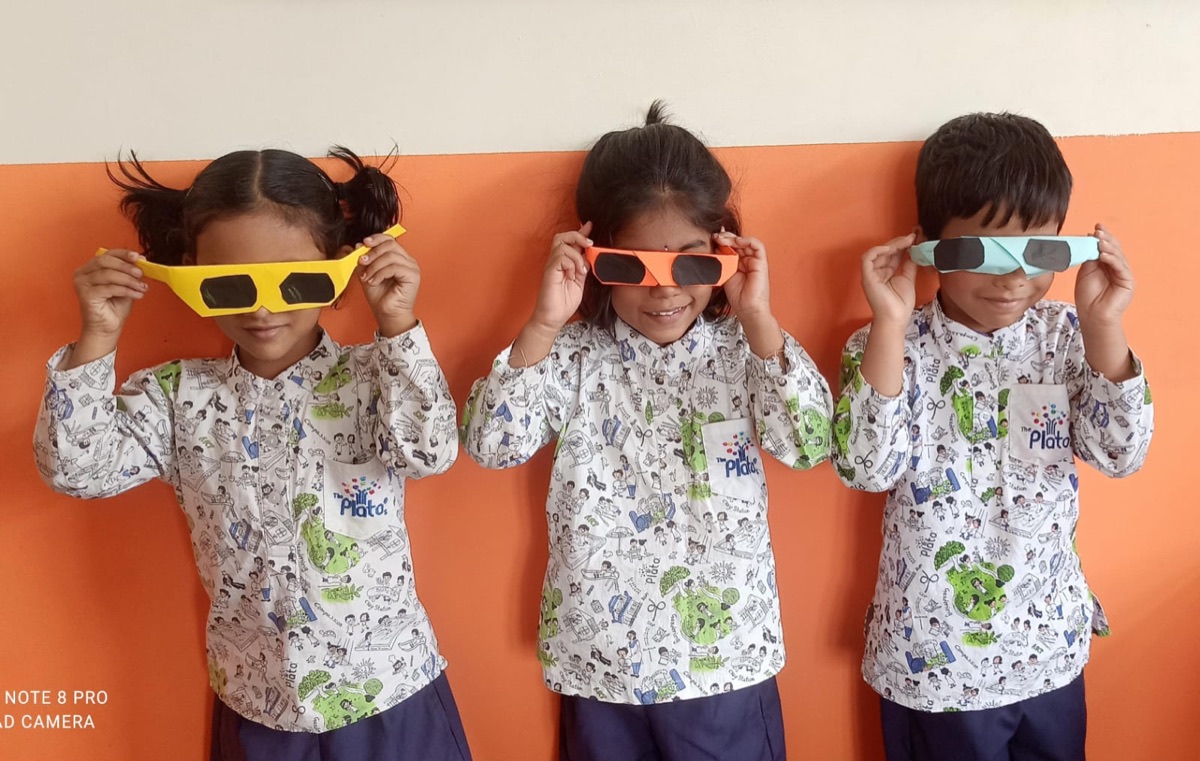
The goal is to explore basic science concepts through observation and sensory play. Activities like growing seeds, learning animal sounds, and observing the sun, moon, and stars help children understand the natural world.
At The Platos School, we are not just shaping students—we are nurturing thinkers, dreamers, and future leaders.
This is the basis of our STEM (Science, Technology, Engineering, and Mathematics) program, which combines structured learning with creative exploration, supported by a range of interactive tools such as Augmented Reality (AR), ensuring every child is given the opportunity to excel in their own unique way.
The goal is to explore basic science concepts through observation and sensory play. Activities like growing seeds, learning animal sounds, and observing the sun, moon, and stars help children understand the natural world.
Turning cardboard boxes, bottles, paper rolls, and other materials into useful or creative items, using simple tools such as safety scissors and toy gears, helps children understand how things can be reused and transformed. Through these hands-on experiences, they engage in early design, building, and problem-solving. Moreover, with exposure to age-appropriate digital and interactive tools, children further develop cause-and-effect understanding and sequencing skills. These strengthen their problem-solving abilities, introducing technology as a meaningful way to create and innovate.
Engineering for kids can be as simple as building structures with blocks or stacking cups. These activities teach children about balance, stability, and problem-solving. And as always, trial and error becomes a fun learning process, helping them develop resilience and creativity.
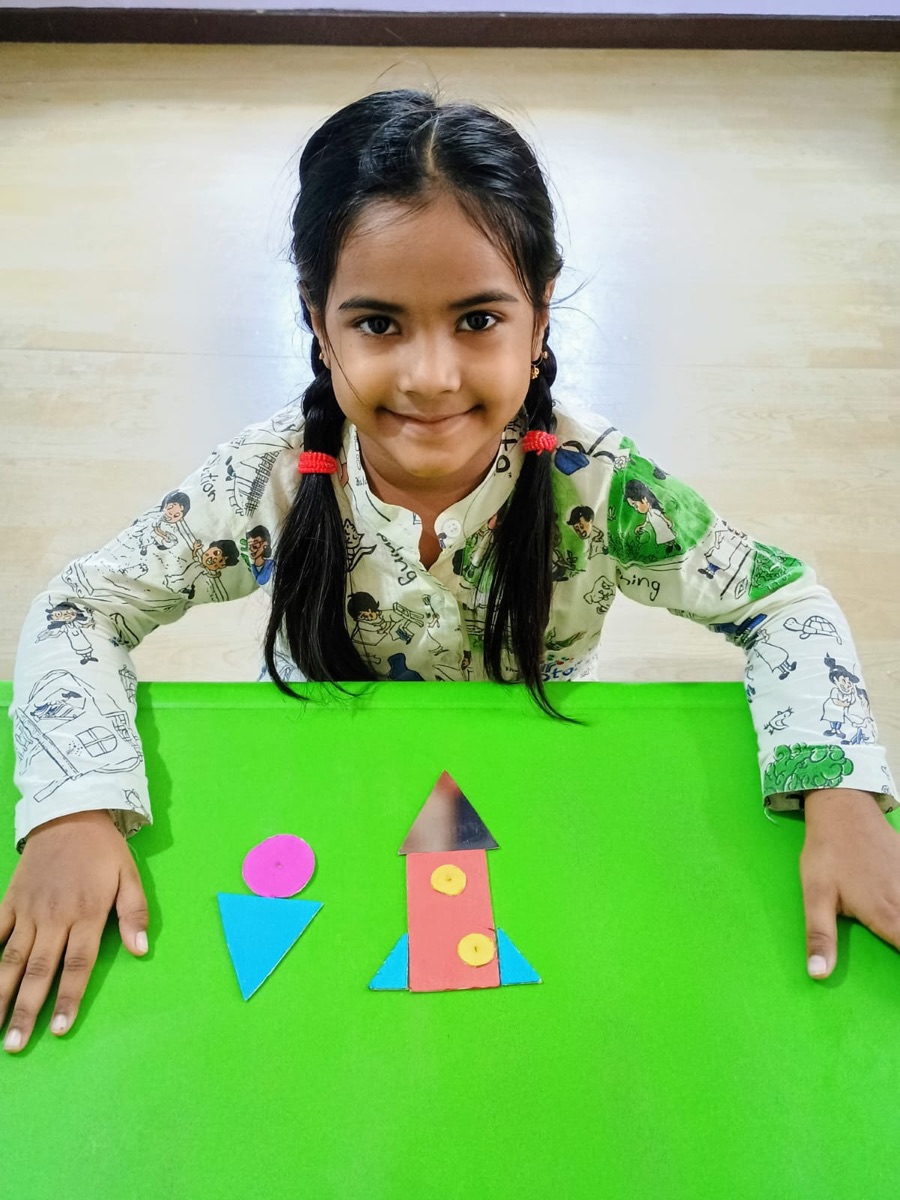
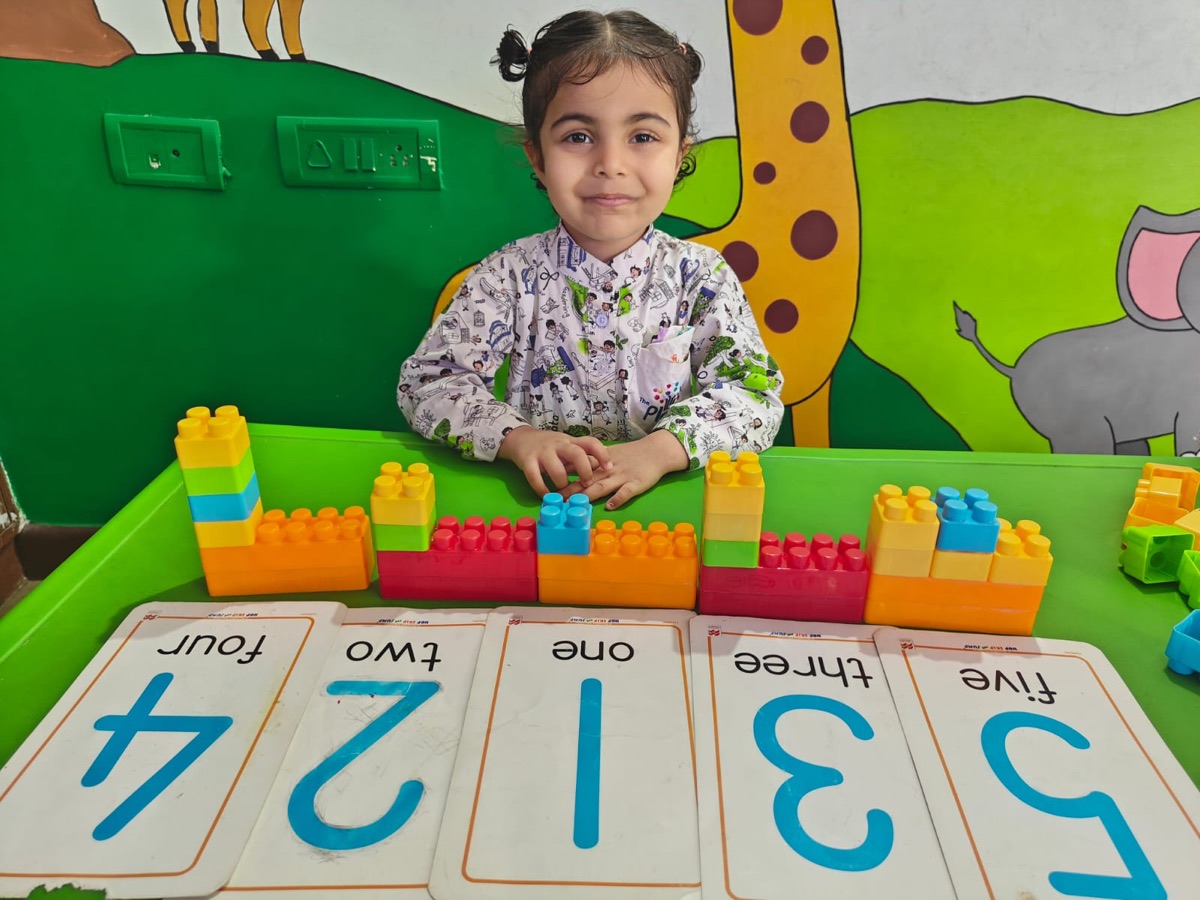
Everyday activities like counting fruits, toys, or steps while walking, sorting objects by color, shape, or size, help build early logical thinking. Even basic activities like comparing quantities—more or less, big or small—lay the groundwork for future math understanding.